Summary for Ideogram 3.0 (Quality)
Ideogram 3.0 (Quality) is a highly capable and visually polished AI image generation model, landing comfortably in the top-tier of the competitive landscape with an overall score of 7.65/10.
It establishes itself as an absolute powerhouse for typography, graphic design, and commercial aesthetics. If you need text integrated perfectly into an image, this model is one of the best available.
Key Discoveries:
- 🏆 Typography Titan: Ideogram 3.0 displays near-flawless text generation. Whether it is neon signs, cake frosting, or complex stylized plant vines, the text is remarkably accurate.
- 🎨 Commercial Polish: It excels in generating marketing materials, posters, and product photography, often achieving perfect 10/10 scores for its editorial look.
- ⚠️ Anatomical & Spatial Struggles: The model occasionally stumbles with complex human anatomy (like intricate hand poses) and strict spatial relationship constraints (e.g., an astronaut being ridden by a horse).
- 🎭 Style Drifting: While generally good at following styles, it sometimes defaults to a "clean, 3D render" look when pushed into highly specific artistic prompts, missing the requested gritty or hand-drawn nuance.
Quick Verdict:
Choose Ideogram 3.0 (Quality) for graphic design, typography, and marketing assets. Use caution and expect a few re-rolls for highly complex, multi-subject scenes with tricky anatomical interactions.
General Analysis & Useful Insights
Ideogram 3.0 (Quality) showcases a fascinating blend of extreme strengths and specific blind spots. Here is a deeper dive into the patterns observed in the data:
✨ The Strengths: Text, Texture, and Polish
- Unrivaled Text Rendering: The model's defining characteristic is its ability to spell correctly and integrate text naturally into its environment.
- Example: The Nighttime Festival perfectly integrated the text 'DELICIOUS STREET FOOD' on a tent.
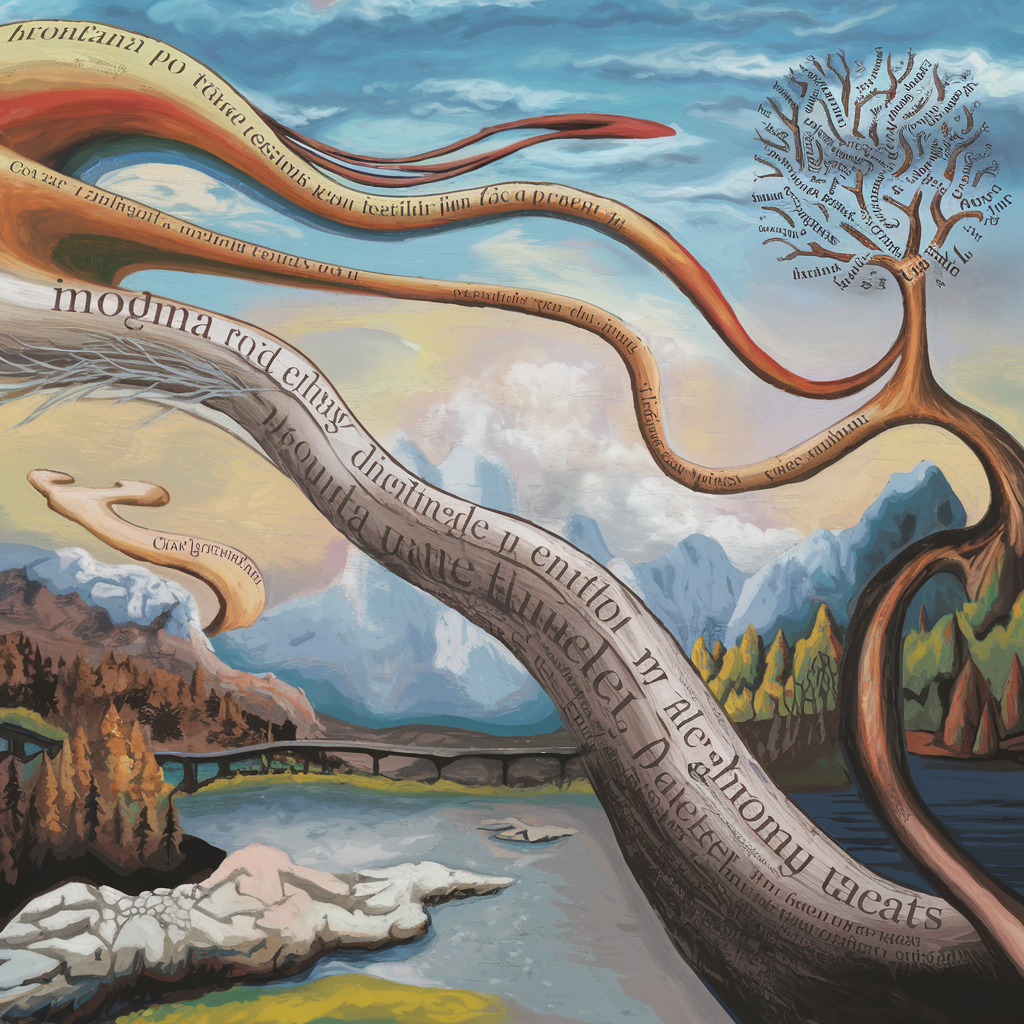
- Example: In the GROWTH Vines generation, the model brilliantly formed the word "GROWTH" out of organic, twisting leaves, earning a flawless 10/10.
- High-End Technical Quality: Across almost all categories, the
technical_quality score remains consistently high (averaging 8.5+). The model inherently understands good lighting, depth of field, and crisp resolutions.
- Commercial & Editorial Instincts: When tasked with Graphic Design, the model doesn't just render objects; it designs them. The Spring Sale Instagram post resulted in a highly sophisticated, editorial lifestyle composition that far exceeded a basic text-on-background prompt.
🚧 The Weaknesses: Anatomy, Strict Adherence, and Hallucinations
- The "AI Hands" Curse: Like many models, Ideogram 3.0 struggles with complex anatomical interactions. In the Yoga Practitioner test, the model generated unnaturally long, spindly fingers. Similarly, a Bustling Market scene was ruined by horribly merged fingers on a flute player.
- Missing Subtle Details: The model sometimes prioritizes a "pretty" image over strict adherence to the prompt. In a prompt asking for a Bride with tears, the model delivered a generic, flawlessly smooth face with absolutely no tears, resulting in a low score of 4.
- Spatial and Logical Reversals: In the Ultra Hard category, prompts that test bizarre logic trip the model up. When asked for an Astronaut ridden by a horse, the model generated a standard astronaut riding a horse, failing the comprehension test.
- Style Bleed: When asked for specific 2D or gritty styles, the model occasionally defaults to a glossy 3D aesthetic. For instance, the Ghibli Bathhouse was rendered as a photorealistic, modern spa instead of a 2D anime animation.
Best Model Analysis by Use Case
Based on the performance data, here is a breakdown of where Ideogram 3.0 (Quality) excels and where you might want to consider alternative options.
🌟 Highly Recommended For:
- Typography & Branding:
- Graphic Design & Marketing Assets:
- Architecture & Interiors:
- Anime & Cartoon Art:
⚠️ Use With Caution:
- Complex Human Interactions (Crowds):
- Performance drops significantly in Complex Scenes. Prompts requiring multiple subjects interacting physically (like a Bustling Market or a Family Cooking) often result in anatomical oddities, extra limbs, or "plastic" faces.
- UI/UX Layouts:
- Strict Photorealistic Human Details: