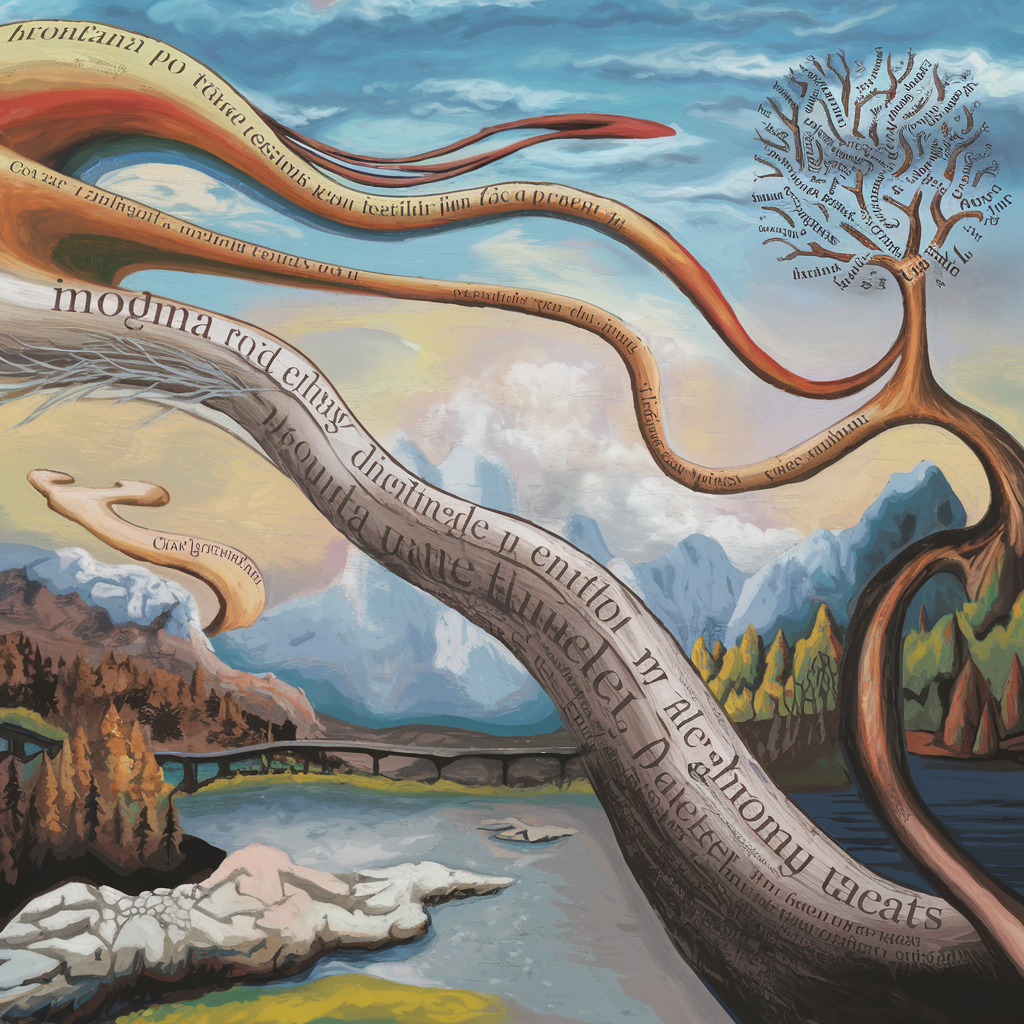
Summary for Ideogram V2
Ideogram V2 is a capable mid-tier AI image generation model (overall score: 6.86) that showcases distinct polarities in its performance. It truly shines in structured, logical tasks but stumbles when pushed into specific artistic stylizations or logic-defying scenarios.
- Top Strengths: Outstanding typography rendering and architectural coherence.
- Major Trends: A strong bias toward 3D/CGI and photorealistic finishes, even when 2D or illustrative styles are explicitly requested.
- Surprising Results: While it excels at placing text on objects, it struggles with basic logical inversions (e.g., an animal riding a human).
- Quick Conclusion: Choose Ideogram V2 for graphic design, logos, and modern interior renderings. Avoid it for anime, classic 2D illustration, and highly surreal physical interactions.
In-Depth Model Analysis
Ideogram V2 reveals clear patterns of strengths and limitations when analyzed across the 100-prompt dataset.
✨ Comparative Strengths
The model is a powerhouse for typography and structured environments. In the Text in Images category (Score: 7.9), it consistently outputs legible, well-integrated text. For example, the Tech Innovations Magazine and the Neon Storefront Sign feature incredibly crisp lettering that perfectly aligns with the environmental lighting. Similarly, its performance in Architecture & Interiors (Score: 8.0) is phenomenal, showcasing an acute understanding of spatial depth, reflections, and materials, as seen in the stunning Glass Skybridge.
⚠️ Weaknesses and Failure Modes
Ideogram V2's greatest weakness is its inability to break away from a "3D render" or "photorealistic" default aesthetic. This heavily impacts its performance in illustrative categories:
- Stylistic Stubbornness: In the Ghibli style category (Score: 5.3), it completely fails to replicate 2D anime aesthetics. The Spirited Away Bathhouse prompt resulted in a dark 3D render instead of a vibrant anime background.
- Logical Hallucinations: When faced with the Ultra Hard category (Score: 5.2), the model's physical logic breaks down. It failed the Mirror Reflection physics test and could not generate an Astronaut ridden by a horse, defaulting instead to the standard trope of a human riding a horse.
🔍 Quality Factors
When Ideogram V2 succeeds, it is due to its exceptional texture mapping and lighting algorithms. However, when rendering human subjects in complex scenes, it often suffers from the "waxy skin" AI artifact, pulling down its realism scores in categories like Photorealistic People & Portraits.
Best Use Cases & Recommendations
Based on the data, here is a practical guide on when to deploy Ideogram V2 for your creative workflows:
🏆 Top Recommended Use Cases
- Graphic Design & Branding: With a solid score in Graphic Design, this model is perfect for logos, posters, and UI elements. The Evergreen Brew Logo achieved a perfect 10/10 for its brilliant integration of a leaf into typography.
- Architectural Visualization: If you need mockups of buildings, interior design concepts, or structural cross-sections, Ideogram V2 is highly reliable. The Desert Home and Space Habitat generations prove it can blend architecture with complex environments seamlessly.
- Typography & Posters: Use this model when your image requires exact text generation, such as the flawless Dream Big Poster.
🚫 Scenarios to Avoid
- Classic Animation & Anime: Do not use this model for Anime & Cartoon Style or Ghibli recreations. It struggles with flat 2D coloring and authentic line art.
- Complex Anatomical Interactions: Avoid using it for scenes requiring intricate hand movements or unusual physical interactions, as seen in its poor handling of the Hand High-Five and crowded Market Scene.
Final Verdict: Ideogram V2 is a precision tool. Treat it as a graphic designer and architectural renderer, but look elsewhere for whimsical 2D illustrations or surreal logic bending.