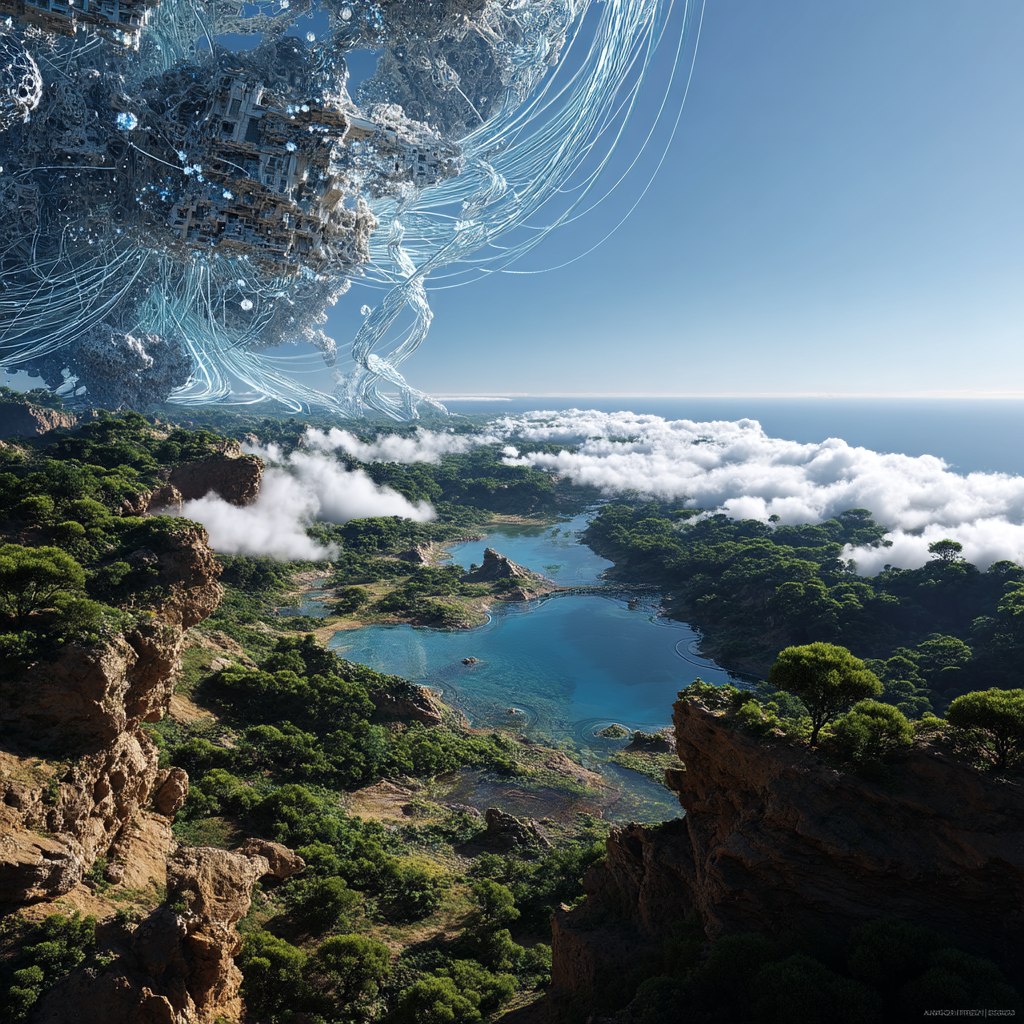
Summary for Midjourney V6.1
Midjourney V6.1 is a model defined by a fascinating paradox: it creates breathtakingly beautiful art but frequently ignores exactly what you asked it to do.
With an overall score of 6.83, it currently ranks 24th out of 36 models on the global leaderboard. While this rank might seem low, it masks the model's true superpower—its unmatched aesthetic and atmospheric quality.
Key Discoveries:
- 🏆 Top-Tier Aesthetics: Midjourney V6.1 consistently scores 8s and 9s in
artistic_merit, even on prompts where it completely fails the core instructions.
- 📉 Typography Struggles: The model severely lacks capabilities in generating coherent text, scoring a dismal 5.70 in the Graphic Design category.
- 🧠 Logic & Reversals: It struggles with unusual logical constraints, often reverting to its training bias (e.g., drawing an astronaut riding a horse instead of a horse riding an astronaut).
Quick Reference for Users:
Use this model when you want gorgeous, cinematic, or highly textured imagery (portraits, architecture). Avoid it entirely if you need precise typography, accurate UI/UX mockups, or complex, literal adherence to bizarre concepts.
General Analysis & Useful Insights
Midjourney V6.1 is the quintessential "artist" among AI models—brilliant but stubborn. Here is a deeper look into its specific patterns:
✨ Strengths: The "Beauty Filter" Effect
Midjourney V6.1 excels at making things look cinematic. It intuitively understands dynamic lighting, depth of field, and rich textures.
- Cinematic Lighting: Whether it is the warm sunset in the Old Fisherman Portrait or the dramatic shadows in the Roman Bathhouse, the model naturally applies professional-grade photography techniques.
- Texture Mastery: It handles complex material surfaces beautifully. Fabrics, wrinkled skin, and wood grains are rendered with striking photorealism.
🛑 Weaknesses: The Literal Interpretation Gap
When a prompt requires strict adherence to logic, layout, or typography, the model stumbles:
- Text Generation is a Major Weakness: The model consistently generates garbled or "alien" text. In the Spring Sale IG Post, it completely misspelled the main headline and left out the discount percentage.
- Anatomical Inconsistencies: In the Hands & Anatomy category, it still falls into classic AI traps. For example, the Hand holding an apple resulted in hidden fingers and awkward, painterly anatomy.
- Struggles with Reversals: The model leans heavily on its training data priors. When prompted with Astronaut ridden by a horse, it simply generated an Astronaut riding a horse instead, prioritizing visual normalcy over the explicit instructions.
💡 The Takeaway
Midjourney V6.1 prioritizes how an image looks over what the image is supposed to be. If you give it a weak prompt, it will still try to make it beautiful. But if you give it a highly specific, complex constraint, it will often sacrifice your instructions to maintain its visual style.
Best Model Analysis by Use Case / Category
Midjourney V6.1's performance is highly polarized depending on the category. Here is a breakdown of where to use it and where to seek alternatives.
🌟 Best Use Cases (Highly Recommended)
⚖️ Moderate Use Cases (Use with Caution)
- Ghibli style & Anime & Cartoon Style: The model creates jaw-dropping fantasy art, such as the Floating Castle. However, it tends to add 3D depth, painterly textures, and heavy shadows, which means it often misses the flat, traditional 2D cel-shaded look of classic anime.
- Complex Scenes: It handles crowds and deep environments decently, but struggles with specific character interactions within those crowds.
🚫 Worst Use Cases (Avoid)
- Graphic Design (Score: 5.70): Do not use Midjourney V6.1 for logos, app icons, or social media graphics requiring exact text. It completely failed the Evergreen Brew Logo by missing the brand text entirely.
- Text in Images: If you need precise typography on a billboard or a T-shirt, this model will let you down.
Alternative Recommendation: If you need a model for UI/UX, precise typography, or strict graphic design, you should use top-performing models in those categories like Grok Imagine 2.0 (Preview) or Takumi 1.